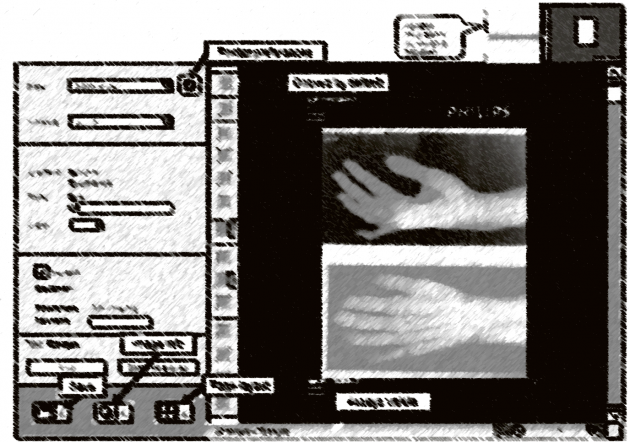
I spent nearly two years at Philips Healthcare in Best, the Netherlands. First I defined a multi-touch gesture vocabulary for Philips products, then I worked as an interaction designer and usability engineer on a major imaging platform. I co-authored user interface standards and ran usability tests in clinical settings in the Netherlands, Germany and Belgium.
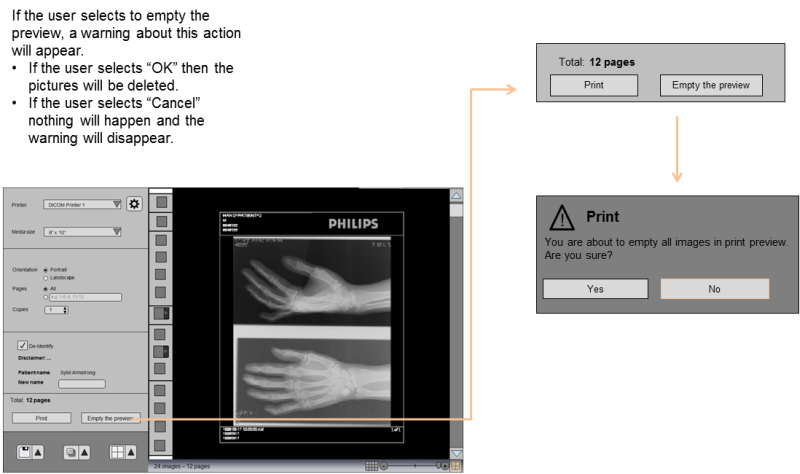
A hospital rearranges your priorities. The user is trained but interrupted, the room is darker, noisier and more crowded than any lab, and a mis-tap costs more than a lost draft. Regulation adds a second obligation on top of the usual one: you have to show that a design is safe to use. Some images below are processed for confidentiality.
Defining a touch vocabulary
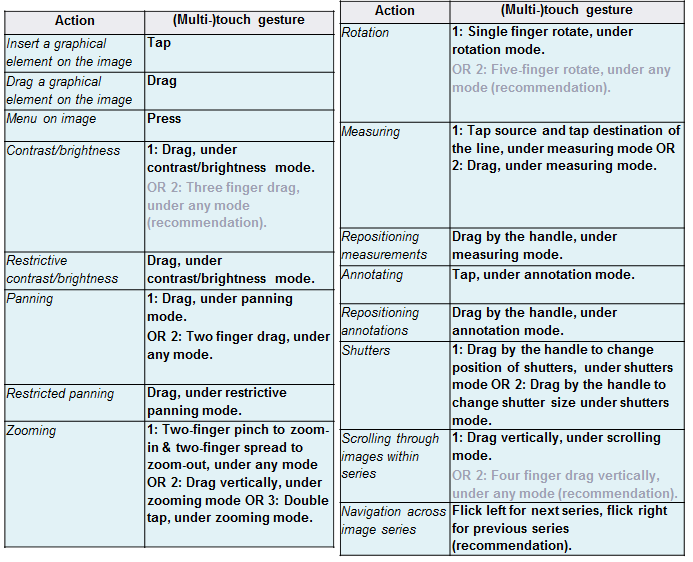
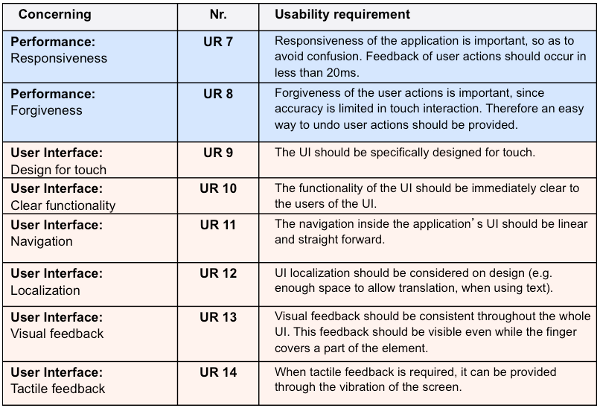
The hard part was restraint. A touch screen will accept a dozen inventive gestures, while a clinician moving through a patient scan should have to remember about five, and none of them should be one a steadying hand can trigger by accident. Much of the work went into arguing gestures back out of the set.
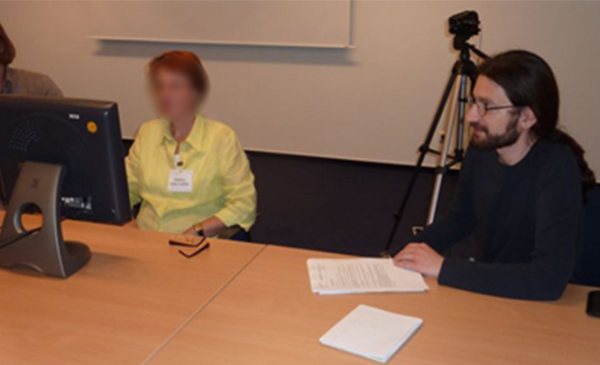
Testing in the field
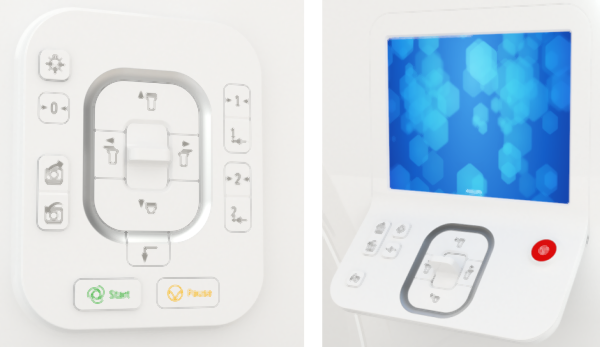
Designing the workflows
Coach, gesture project: Mark de Graaf